The History of the Calendar: Why We Celebrate New Year on January 1st
Exploring the historical roots of New Year traditions and the reasons why the first day of January became the start of the new calendar cycle.
 🎭Culture & Sport
Photo: TSN
Key points
- January 1st as the start of the year is a legacy of Roman reform.
- The role of Janus in the symbolism of January celebrations.
- The introduction of the Gregorian calendar as a standardization tool.
- The diversity of New Year traditions around the world.
From Ancient Rites to the Gregorian Calendar
The tradition of marking the beginning of the year on January 1st has deep roots dating back to Ancient Rome. While various civilizations in the past linked this date to natural cycles, such as the spring equinox or the flooding of the Nile, it was the reform of Julius Caesar that established January as the start of the year.
The name of the month comes from the god Janus, who symbolized transitions and new beginnings. His two faces reflected the ability to look simultaneously into the past and the future, which became a metaphor for the change of calendar years. However, even after the introduction of the Julian calendar in medieval Europe, celebrations often fell on different dates associated with religious holidays.
Global Standard and Cultural Diversity
The modern unification of the celebration date became possible thanks to the introduction of the Gregorian calendar by Pope Gregory XIII in 1582. This decision allowed civil timekeeping to be brought into line with astronomical cycles.
Despite the global spread of the Gregorian calendar, many nations have preserved unique customs. From the Spanish tradition of eating grapes to the Scottish "first-footing," these traditions highlight the cultural richness of humanity. While January 1st remains the official start of the year, the world continues to mark other New Year dates, such as the Chinese or Jewish New Year, demonstrating the multifaceted nature of global culture.
Source TSN — tsn.ua/tsikavinki/koly-sviatkuiut-novyy-rik-chomu-data-prypadaye-na-1-s… ↗
Read next
 🇺🇦Ukraine
European Commission favors multilateral format for negotiations with Russia
The European Commission has acknowledged receiving an invitation from Russia but insists on maintaining a multilateral approach to dialogue.
 ⚽Sport
Carlos Alcaraz Dominates ATP Finals: Tournament Overview
Spanish tennis star Carlos Alcaraz finished the tournament undefeated, reaffirming his status as a leading figure in men's tennis.
 🧠AI Analysis
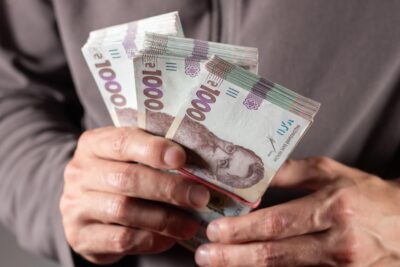
Lviv Region Pensioner Loses Appeal Over Pension Recalculation After Siberia Exile
The Eighth Administrative Court of Appeal has rejected a pensioner's claim to increase her benefit allowance and credit her exile period to insurance length in triple siz…
 🛡️Security
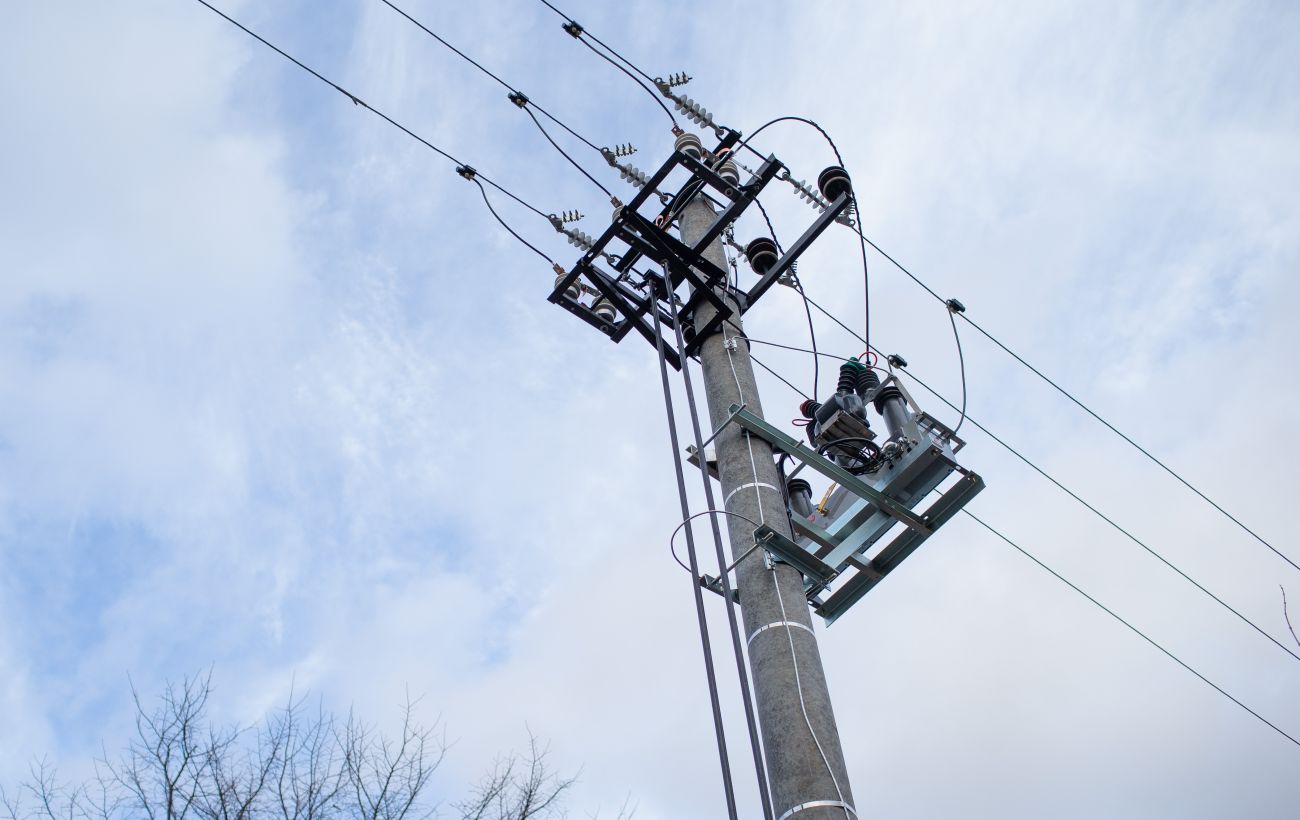
DTEK Energy Workers Set Weekly Record for Power Restoration
Between November 16 and 22, power was restored to 3.5 million Ukrainian households across four regions and Kyiv.
 🛡️Security
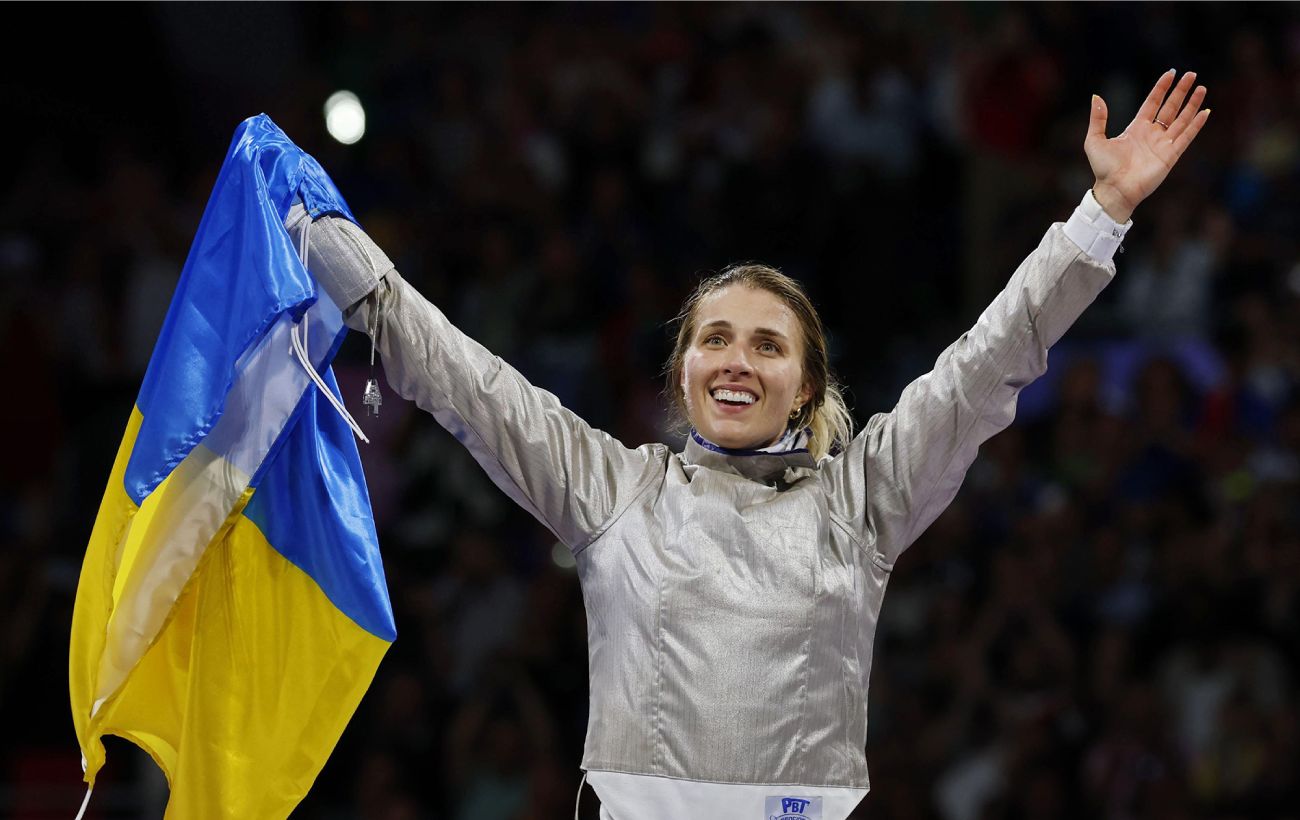
Olga Harlan Appeals to Melania Trump to Help Rescue Civilians from Russian Occupation
Renowned Ukrainian fencer Olga Harlan has publicly asked the US First Lady to help evacuate civilians from Russian-occupied territories, focusing on the Kinburn Spit.
 🚨Events
New Logistics Challenges for Russia: Incidents in Libya and the Gulf of Finland
A series of emergencies involving Russian vessels in the Mediterranean and the Baltic highlights the deep vulnerability of Moscow's supply lines far from traditional comb…